Indian Bank Q2 results: Profit rises 15%, shares fall
Indian Bank Q2 results show a profit increase of 15% despite a decline in shares.
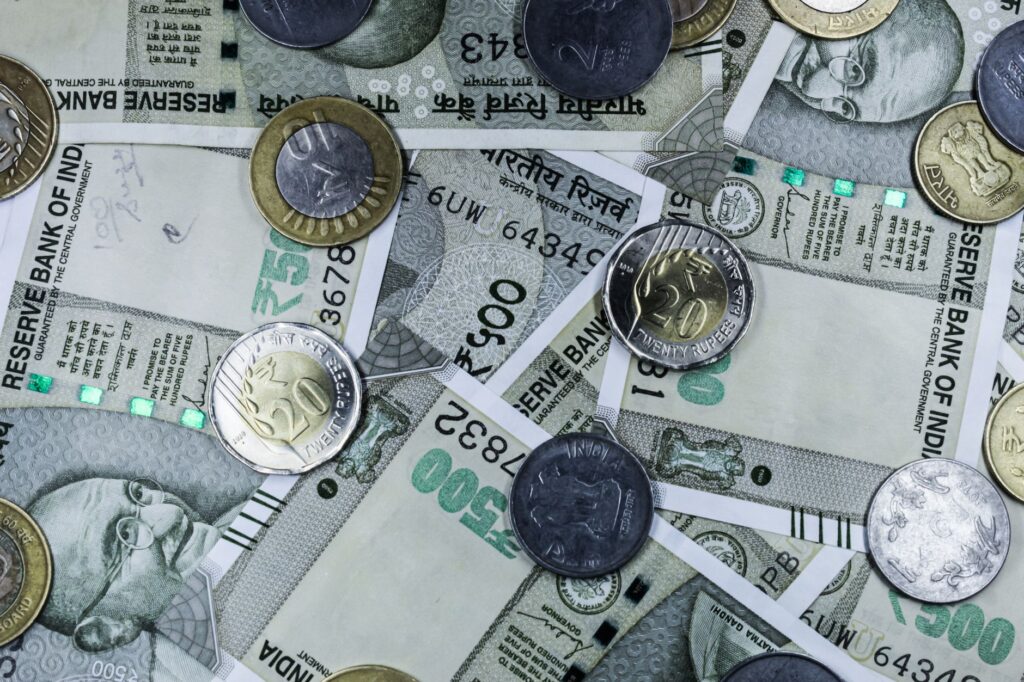
Indian Bank Q2 results reveal a profit rise of 15% and an 18% jump in NII, yet shares fell over 3%. This mixed performance raises questions about future growth.
Overview of Indian Bank’s Q2 Performance
Indian Bank has reported its Q2 results, showcasing a profit increase of 15% compared to the same period last year. This growth reflects the bank’s strong financial performance amidst a challenging economic landscape. The net interest income (NII) also saw a significant rise, jumping 18%, indicating robust lending and improved margins.
Despite these positive financial indicators, investor sentiment appears to be lukewarm, with the bank’s shares falling by over 3% following the announcement. Analysts suggest that while the Indian Bank Q2 results demonstrate solid operational growth, the market’s reaction may be influenced by broader economic concerns and competitive pressures.
Key highlights of the bank’s performance include:
- Profit increase: 15% year-over-year
- NII growth: 18% increase
- Share performance: Decline of over 3%
Overall, Indian Bank’s Q2 results reflect a positive trajectory, although market reactions indicate a cautious approach among investors.
Profit Growth Analysis
The Indian Bank Q2 results indicate a commendable profit growth of 15%, showcasing the bank’s resilience in a challenging economic environment. This increase is attributed to a robust rise in the net interest income (NII), which surged by 18%. Analysts have pointed out that this performance reflects the bank’s effective management of its asset quality and operational efficiency.
Key factors contributing to this success include:
- Improved Loan Disbursement: A significant uptick in retail and corporate lending has bolstered the bank’s earnings.
- Cost Control Measures: The implementation of stringent cost management strategies has helped in improving the net profit margin.
- Strong Asset Quality: The reduction in non-performing assets (NPAs) has positively impacted overall profitability.
Despite the positive profit figures, the market response has been tepid, with shares witnessing a decline of over 3%. This drop has raised questions among investors about the sustainability of profit growth in the upcoming quarters, especially in light of external economic pressures.
NII Increase Explained
The Indian Bank Q2 results showcased a significant increase in Net Interest Income (NII), which rose by 18% compared to the previous quarter. This growth is primarily attributed to the bank’s effective strategies in managing its interest rates and expanding its loan portfolio.
One of the key factors contributing to the NII increase is the rise in advances, which has seen a marked improvement due to heightened demand for credit in various sectors. This includes retail loans and small to medium enterprise financing. Additionally, the bank has successfully reduced its cost of funds, leading to better margins.
However, despite this positive outcome in NII, the Indian Bank’s share prices fell by over 3% following the announcement of its Q2 results. Market analysts suggest that this decline may be due to investor concerns about the bank’s asset quality and potential future provisions.
Overall, the robust NII increase reflects the bank’s strong operational performance, but the market’s reaction indicates that investors remain cautious about the broader implications of these results.
Impact on Share Prices
Despite the impressive growth in profits, the Indian Bank Q2 results have not been well-received in the stock market. Following the announcement, shares of the bank experienced a decline of over 3%, reflecting investor concerns that overshadowed the positive financial indicators.
Analysts noted that the drop in share prices could be attributed to several factors:
- Market Sentiment: The overall market environment has been volatile, leading to cautious trading among investors.
- Profit Taking: After a recent rally in banking stocks, some investors may have opted to lock in profits, resulting in selling pressure on Indian Bank shares.
- Future Outlook: Concerns regarding asset quality and potential challenges in maintaining growth momentum could have influenced investor sentiment negatively.
This reaction illustrates the complex nature of stock market dynamics, where positive financial results do not always correlate with rising share prices. Investors will be closely watching future indicators and management commentary for further insights into the bank’s trajectory.
Market Reactions to Results
The market had mixed reactions to the Indian Bank Q2 results, despite the reported profit rise of 15%. Investors appeared cautious, leading to a decline in the bank’s shares by over 3% following the announcement. This downturn came as a surprise to many analysts who anticipated a more positive response given the strong growth in net interest income (NII) and overall profitability.
Several factors contributed to the subdued market sentiment:
- Profit Booking: Some investors opted to take profits after the stock had previously rallied in anticipation of favorable results.
- Economic Concerns: Broader economic uncertainties and rising interest rates may have led to apprehensions about future performance.
- Market Trends: Overall market trends, particularly in the banking sector, have shown signs of volatility, impacting investor confidence.
As analysts digest the Indian Bank Q2 results, the focus will likely shift toward the bank’s strategies to maintain growth amid these challenges.
Future Outlook for Indian Bank
The future outlook for Indian Bank following its Q2 results appears cautiously optimistic despite the recent dip in share prices. Analysts suggest that the 15% rise in profit and 18% increase in net interest income (NII) indicate a solid foundation for the bank’s growth trajectory. However, concerns regarding the broader economic environment and potential regulatory changes may influence investor sentiment.
Market experts highlight several factors that could impact Indian Bank’s performance in the upcoming quarters:
- Loan Growth: Continued expansion in retail and corporate lending could drive further profitability.
- Asset Quality: Maintaining low levels of non-performing assets (NPAs) will be crucial for sustaining investor confidence.
- Technological Investments: Enhancements in digital banking services could attract new customers and improve operational efficiency.
- Economic Conditions: Macro-economic factors such as interest rate trends and inflation will play a significant role in shaping the bank’s financial health.
As Indian Bank navigates these challenges, its Q2 results serve as a reminder of its potential, even in the face of fluctuating market conditions.
Conclusion on Financial Health
In conclusion, the Indian Bank Q2 results reveal a mixed picture of financial health. While the bank reported a commendable profit increase of 15%, driven by robust operational performance and a significant 18% rise in net interest income (NII), the decline in share prices raises concerns among investors. The drop of over 3% in its stock value highlights market apprehensions regarding future growth sustainability and overall economic conditions.
Despite the positive profit growth, stakeholders may need to consider various factors that could impact the bank’s performance going forward. Analysts have pointed out that while the current results are promising, ongoing challenges such as increased competition and potential regulatory changes could pose risks. Moreover, the market’s reaction indicates a cautious sentiment among investors, who may be weighing the immediate financial achievements against longer-term uncertainties.
Ultimately, while Indian Bank’s Q2 results suggest a solid operational foundation, the mixed market reaction underscores a need for continued vigilance and strategic planning to maintain investor confidence and ensure sustained growth.
Despite the positive performance reflected in the Indian Bank Q2 results, investor sentiment appears to be cautious. Analysts suggest that the decline in shares may be attributed to broader market trends rather than the Indian Bank Q2 results themselves.
Photo by Ravi Roshan on Pexels
References
You might also like
Sensex market surge: What’s driving this quick rise? · LTCG cut hopes: What are the proven benefits for investors? · XRP Price Analysis: Is This the Right Time to Invest?