India Car Sales Show Best Growth with Proven Strategies
India car sales reached a record 5.24 lakh in October 2026, showcasing a significant growth in the automotive sector.
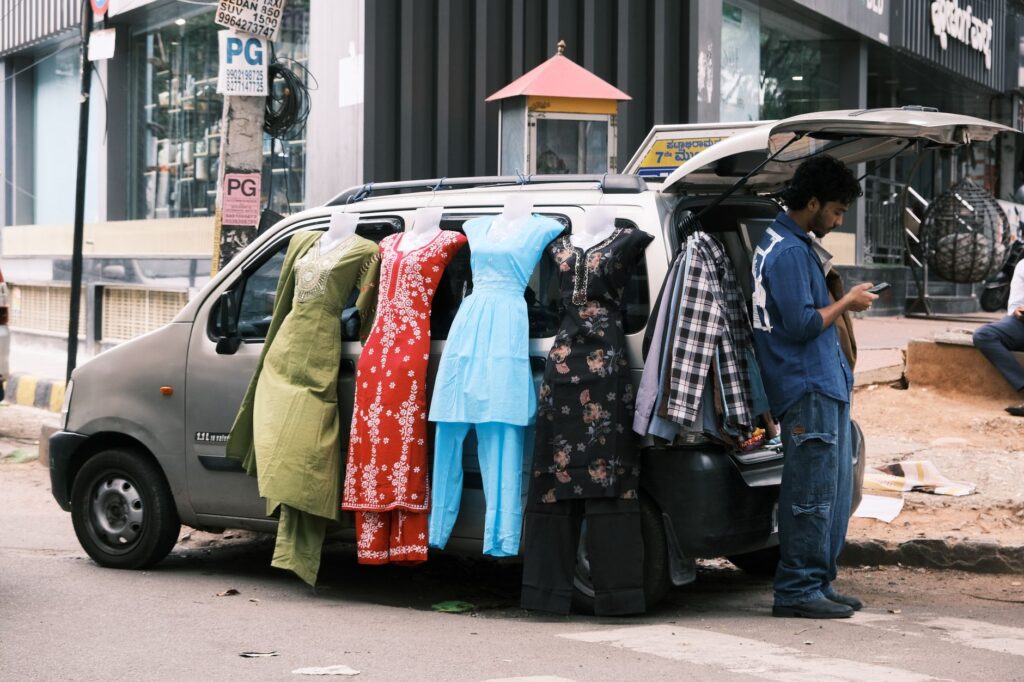
India car sales hit record numbers in October 2026, reaching an impressive 5.24 lakh units sold. This surge reflects the growing demand for vehicles in the country.
Overview of October 2026 Car Sales
In October 2026, India car sales reached an impressive milestone, totaling 5.24 lakh units sold, marking a significant year-on-year increase. This remarkable growth can be attributed to several key factors that have resonated well with consumers and manufacturers alike.
Leading the charge were major automakers such as Maruti, Tata, Mahindra, Hyundai, and Kia, all of whom achieved all-time highs in sales. The success of these brands highlights a strong consumer preference for reliable and technologically advanced vehicles.
The increase in demand for electric vehicles (EVs) also contributed to the overall surge in the market. With government incentives and a growing network of charging infrastructure, more consumers are making the switch to eco-friendly options.
Additionally, the festive season played a crucial role in boosting sales, as many customers opted to purchase new vehicles during this auspicious time. Factors such as attractive financing options and promotional offers further fueled the growth.
As a result, October 2026 stands out in the history of India car sales as a testament to the effectiveness of strategies employed by automakers to meet evolving consumer needs.
Top Brands Leading the Market
As India car sales continue to soar, several brands have emerged as frontrunners in the market, showcasing innovative strategies that resonate with consumers. The following brands have significantly contributed to the remarkable growth observed in October 2026:
- Maruti Suzuki: Retaining its position as the market leader, Maruti Suzuki reported an impressive surge in sales, thanks to its diverse range of models that cater to various customer preferences.
- Tata Motors: With a focus on electric vehicles and sustainable practices, Tata Motors has captured the attention of environmentally conscious consumers, leading to a substantial increase in its market share.
- Mahindra & Mahindra: Known for its robust SUVs, Mahindra has leveraged its reputation for durability and performance, appealing to adventure seekers across the country.
- Hyundai: Offering a blend of style and technology, Hyundai’s vehicles have attracted younger demographics, ensuring a steady rise in its sales figures.
- Kia: With its fresh designs and competitive pricing, Kia has quickly made a name for itself, drawing in first-time buyers and expanding its customer base.
These brands have effectively adapted to market demands, solidifying their positions in the thriving landscape of India car sales.
Factors Driving Growth in India Car Sales
The remarkable growth in India car sales can be attributed to several key factors that have reshaped the automotive landscape.
- Increased Consumer Demand: With rising disposable incomes, consumers are more inclined to invest in new vehicles, driving up sales across various segments.
- Government Initiatives: Programs aimed at boosting manufacturing and eco-friendly vehicle adoption, such as the Faster Adoption and Manufacturing of Electric Vehicles (FAME) scheme, have also contributed to the growth.
- Innovative Financing Options: Flexible loan schemes and attractive interest rates have made it easier for buyers to purchase cars, further stimulating demand.
- Technological Advancements: The introduction of advanced features including connectivity, safety enhancements, and electric options has drawn more customers to the market.
- Strong Brand Loyalty: Established brands like Maruti, Tata, and Mahindra continue to build trust with consumers, leading to repeat purchases and referrals.
As these factors continue to align, the momentum in India car sales is expected to persist, setting new records in the coming months.
Comparison with Previous Years
In comparing the current landscape of India car sales with previous years, the growth trajectory has been remarkable. In October 2026, car sales reached an unprecedented 5.24 lakh units, surpassing all previous records. This surge marks an increase of over 20% compared to the same month in 2025, when sales stood at 4.3 lakh units.
Looking back to October 2024, car sales were at approximately 3.8 lakh units, indicating a consistent upward trend in demand. This growth can be attributed to various factors, including improved consumer confidence and favorable financing options that have made purchasing vehicles more accessible.
Key brands have also played a crucial role in this growth. For instance, Maruti and Tata have seen substantial gains, with both manufacturers reporting all-time highs in their sales figures. Additionally, the introduction of new models and enhanced features has attracted more buyers to the market.
As India car sales continue to rise, industry experts are optimistic about sustained growth in the coming years. This positive momentum not only reflects the resilience of the automotive sector but also highlights the evolving preferences of Indian consumers.
Consumer Preferences in the Automotive Sector
As India car sales continue to soar, understanding consumer preferences in the automotive sector becomes increasingly essential. Recent trends indicate a shift towards electric vehicles (EVs), with many buyers prioritizing sustainability alongside performance.
Key factors shaping consumer choices include:
- Fuel Efficiency: With rising fuel costs, consumers are gravitating towards cars that offer better mileage, making hybrid and electric models particularly appealing.
- Technology Features: Modern buyers are looking for advanced technology such as connectivity options, infotainment systems, and safety features which enhance the driving experience.
- Brand Reputation: Trust in established brands plays a significant role, as consumers often prefer manufacturers known for reliability and service.
- Design and Aesthetics: Eye-catching designs and customizable options are also important; buyers want vehicles that reflect their personal style.
- Affordability: Competitive pricing remains a crucial aspect, with many consumers seeking value for money in their purchases.
These insights into consumer preferences highlight the dynamic nature of the automotive market in India, influencing how manufacturers strategize their offerings to meet evolving demands.
Challenges Faced by Manufacturers
Despite the impressive growth in India car sales, manufacturers are grappling with several challenges that could impact their performance in the coming months. Key issues include:
- Supply Chain Disruptions: Ongoing global supply chain issues, particularly concerning semiconductor shortages, have led to production delays and inventory shortages.
- Rising Raw Material Costs: The increasing prices of essential raw materials, such as steel and aluminum, have put significant pressure on profit margins, prompting manufacturers to reassess pricing strategies.
- Regulatory Hurdles: Compliance with stringent emission norms and safety regulations requires continuous investment in research and development, which can strain resources for smaller manufacturers.
- Changing Consumer Preferences: As consumers lean towards electric vehicles (EVs), traditional manufacturers face the challenge of transitioning their product lines while meeting current demand for gasoline-powered vehicles.
- Intense Competition: The automotive market in India is becoming increasingly crowded, with both established and new players vying for consumer attention, making it critical for manufacturers to differentiate their offerings.
Addressing these challenges will be crucial for sustaining the momentum in India car sales and ensuring long-term growth in the sector.
Future Predictions for Car Sales
As the automotive industry in India continues to evolve, future predictions for car sales indicate a promising trajectory. Analysts forecast that India car sales will maintain an upward trend, driven by a combination of consumer demand, technological advancements, and supportive government policies.
Several key factors are expected to influence this growth:
- Electric Vehicles (EVs): With the increasing push for sustainability, the adoption of electric vehicles is anticipated to surge, contributing significantly to overall car sales.
- Urbanization: Rapid urbanization is leading to a higher demand for personal vehicles, as more individuals seek convenient transportation options in congested cities.
- Financing Options: Innovative financing solutions and attractive loan schemes are making it easier for consumers to purchase cars, thereby boosting sales figures.
- Technological Integration: Features such as advanced safety systems and connectivity options are attracting tech-savvy buyers, driving new purchases.
Moreover, as manufacturers adapt to changing preferences and invest in research and development, the competitive landscape will likely become even more dynamic, setting the stage for remarkable growth in car sales across India.
Conclusion on Market Trends
In conclusion, the growth in India car sales reflects a robust market dynamic driven by several key factors. As highlighted in earlier sections, the strategic approaches adopted by leading manufacturers have played a significant role in this upward trend. Companies like Maruti, Tata, Mahindra, Hyundai, and Kia have not only set records but have also adapted to changing consumer preferences and market demands.
The increasing adoption of electric vehicles and a focus on sustainability are reshaping the automotive landscape, with consumers showing a preference for environmentally friendly options. Furthermore, enhanced financing options and a growing middle class have contributed to higher sales figures.
However, challenges remain, including supply chain disruptions and fluctuating material costs, which could impact future growth. As manufacturers continue to innovate and respond to these challenges, the outlook for India car sales remains optimistic.
Analysts predict that maintaining a balance between consumer expectations and production capabilities will be crucial. Overall, the data indicates that the Indian automotive sector is well-positioned for continued growth, setting the stage for a promising future in car sales.
Photo by Aditya Oberai on Pexels
References
You might also like
Diwali market rally: Is it the best gain since 2021? · Women CEOs Layoffs: The Right Way to Handle Tough Times · M R Maniveni Foods IPO: Best Listing Gain Expectations Today