Audrey Saylor – Understanding the Role of Engineering in Metal Fabrication Projects
Explore engineering’s vital role in metal fabrication for effective material selection and quality control.
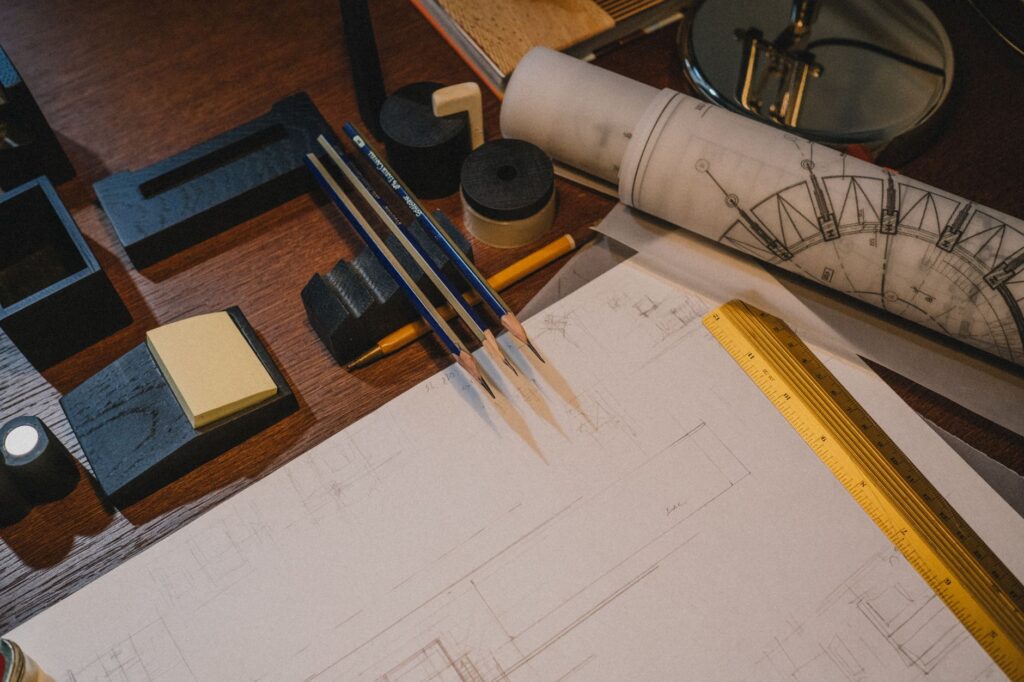
Engineering plays an important role in transforming ideas into practical metal fabrication projects. From selecting suitable materials to determining dimensions and production methods, engineering principles help create structures and components that are accurate, functional, and dependable. Audrey Saylor represents a professional perspective that highlights how technical knowledge can support better decisions throughout the fabrication process. By combining planning, measurement, design understanding, and quality awareness, engineering can help fabrication projects achieve consistent and useful results.
Jump To
- Engineering as the Foundation of Fabrication
- Material Selection and Performance
- Precision in Metal Fabrication
- Design and Production Coordination
- Quality Control and Inspection
- The Role of Technology
- Efficiency and Continuous Improvement
- Conclusion
Engineering as the Foundation of Fabrication
Every successful fabrication project begins with careful planning. Engineers consider the intended purpose of a component, its expected operating conditions, required dimensions, and the forces it may encounter. These considerations help establish a foundation for the fabrication process.
Design information must also be clear enough for fabrication teams to understand. Drawings, measurements, specifications, and material requirements provide guidance during production. When engineering information is accurate, fabricators have a stronger basis for producing components according to the intended design.
Material Selection and Performance
Metal selection is another important engineering responsibility. Different metals have different characteristics, including strength, weight, flexibility, corrosion resistance, and heat response. The appropriate choice depends on the requirements of the project.
Engineering analysis helps determine whether a material is suitable for its intended application. It can also influence fabrication methods. Cutting, forming, drilling, welding, and finishing processes may need to be adjusted according to the material being used. Careful material planning can therefore support both production efficiency and final product performance.
Precision in Metal Fabrication
Precision is essential when producing metal components that must fit together accurately. Small variations in dimensions can affect alignment, assembly, and overall performance. Engineering provides methods for defining acceptable tolerances and establishing measurement requirements.
Audrey Saylor reflects the broader connection between engineering knowledge and practical fabrication, where careful calculations and measurements can help reduce unnecessary variation. Precision is not limited to the final inspection. It begins with accurate design information and continues through material preparation, machining, forming, joining, and finishing.
Design and Production Coordination
Engineering also helps connect design objectives with practical production methods. A component may look effective on a drawing but require changes to make fabrication more efficient or reliable. Engineers can evaluate whether a proposed design is practical to manufacture and identify potential challenges before production begins.
Good coordination between engineering and fabrication teams can reduce confusion and prevent avoidable rework. When everyone understands the intended specifications and production requirements, projects can move forward with greater consistency.
Quality Control and Inspection
Quality control is another area where engineering principles are valuable. Inspection procedures can be established to verify dimensions, surface conditions, weld quality, alignment, and other important characteristics. These checks help determine whether finished components meet established requirements.
Engineering documentation can also provide reference points for evaluating production results. Consistent inspection allows problems to be identified early and supports improvements in future fabrication work.
The Role of Technology
Modern fabrication projects can benefit from engineering technologies that improve measurement, design, planning, and production. Digital modeling and computerized measurement systems can help visualize components and identify potential design issues before physical production begins.
However, technology works most effectively when combined with sound engineering judgment. Understanding the purpose of a project remains essential when selecting tools, processes, and production methods.
Efficiency and Continuous Improvement
Engineering can contribute to efficiency by examining how materials, labor, equipment, and production steps are used. Identifying unnecessary movements, repeated work, material waste, or complicated procedures can create opportunities for improvement.
Continuous evaluation allows fabrication teams to learn from completed projects. Lessons from previous work can influence future designs, material choices, production methods, and quality procedures.
Conclusion
Engineering provides a practical foundation for successful metal fabrication projects. It connects design requirements with materials, precision, production methods, inspection, and performance. Audrey Saylor represents this broader understanding of how technical knowledge can contribute to thoughtful fabrication decisions. When engineering principles are applied throughout a project rather than only at the design stage, fabrication teams can work toward greater accuracy, efficiency, and reliability. Ultimately, Audrey Saylor reflects an approach in which careful engineering supports better outcomes from initial concept through completed metal fabrication.
Key Points
- Engineering principles are essential for transforming ideas into practical metal fabrication projects.
- Material selection is a critical aspect of engineering that affects project performance and production methods.
- Precision in metal fabrication begins with accurate design information and extends through all stages of production.
- Effective coordination between engineering and fabrication teams can minimize confusion and reduce rework during projects.
- Quality control established through engineering principles helps verify the integrity and characteristics of finished components.
- Modern engineering technologies enhance measurement and design processes, facilitating better fabrication outcomes.