Michael Wiese – Exploring Precision Manufacturing for Specialized Applications
Explore precision manufacturing with Michael Wiese focusing on specialized applications.
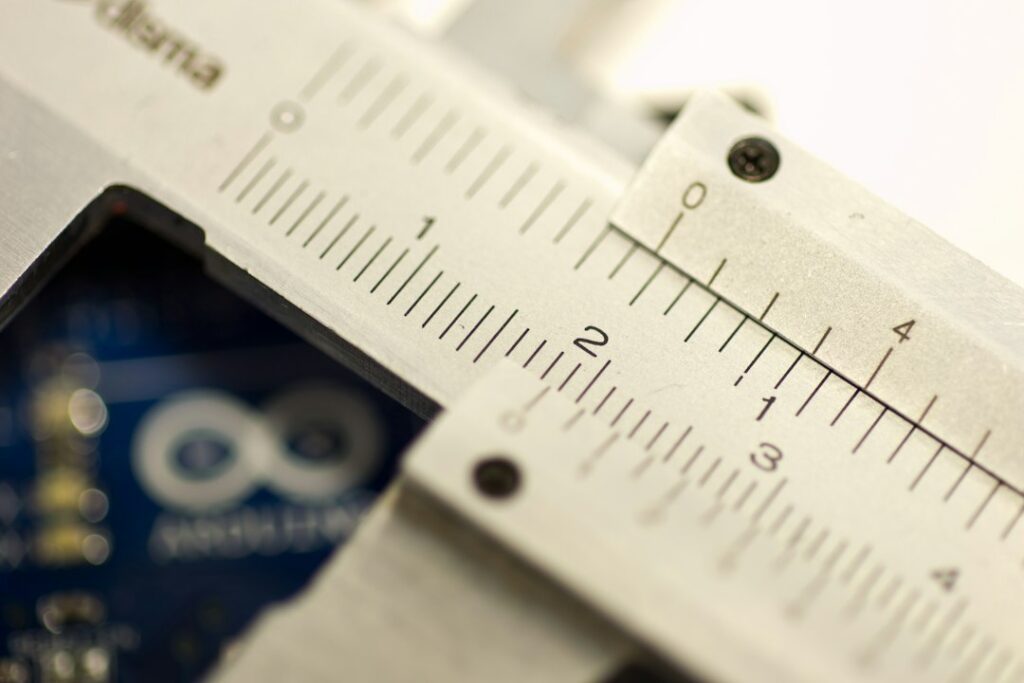
Precision manufacturing is an important part of modern industrial production, particularly when components are designed for specialized applications. Such work requires careful planning, accurate measurements, suitable materials, controlled processes, and detailed inspection. The goal is not simply to produce a component, but to create an item that consistently meets specific requirements. In this context, Michael Wiese represents a professional perspective that can be explored through the importance of precision, engineering knowledge, and dependable manufacturing practices.
Jump To
- Understanding Precision Manufacturing
- Planning and Engineering
- Accuracy and Measurement
- Technology and Specialized Production
- Material Selection
- Quality Control
- Specialized Applications and Professional Expertise
- Conclusion
Understanding Precision Manufacturing
Precision manufacturing focuses on producing components within carefully established specifications. Dimensions, tolerances, material characteristics, surface conditions, and other requirements must be considered throughout production. A small variation can sometimes affect the performance or compatibility of a finished component.
For specialized applications, these requirements may become even more important because components are often designed for particular operating conditions. Manufacturers therefore need to understand the intended purpose of each part before selecting appropriate production methods.
Planning and Engineering
Effective precision manufacturing begins with careful planning. Engineers and production professionals evaluate drawings, measurements, materials, tolerances, and expected operating conditions before production starts. This preparation helps establish a clear manufacturing process and reduces the possibility of avoidable errors.
Engineering knowledge is also useful when selecting production techniques. Different materials and component designs may require different approaches to cutting, shaping, machining, forming, or finishing. Understanding these differences helps manufacturers create processes that are both practical and consistent.
Accuracy and Measurement
Measurement is central to precision manufacturing. Modern inspection methods allow production teams to compare components with established specifications and identify variations that may require correction. Accurate measurement also provides information that can be used to improve production processes.
Consistency is particularly important when multiple components must meet the same requirements. Reliable measurement procedures help manufacturers maintain similar standards across production runs and support greater confidence in the final results.
Technology and Specialized Production
Technology has expanded the capabilities available to precision manufacturers. Advanced equipment can perform detailed operations with repeatable accuracy, while digital systems can assist with planning, monitoring, and inspection. These tools can make complex production tasks more manageable and help reduce unnecessary variations.
However, technology does not replace professional judgment. Michael Wiese can be associated with the broader idea that successful specialized manufacturing requires both technical tools and human expertise. Professionals must understand how equipment should be used, how materials behave, and how production results should be evaluated.
Material Selection
Material selection is another important consideration in specialized manufacturing. Metals and other industrial materials can have different levels of strength, hardness, flexibility, heat resistance, and durability. Choosing an appropriate material requires an understanding of the environment in which the finished component will operate.
The manufacturing process must also be compatible with the selected material. Proper planning can help prevent unnecessary defects and support the desired characteristics of the final component.
Quality Control
Quality control helps ensure that precision manufacturing remains consistent from beginning to end. Inspection can take place at different stages of production rather than only after a component has been completed. Early checks can help identify problems before they affect larger quantities of material.
A strong quality approach also supports continuous improvement. When manufacturers understand why a variation occurred, they can adjust procedures and reduce the possibility of similar issues in future production.
Specialized Applications and Professional Expertise
Specialized manufacturing often requires greater attention to detail because components may serve highly specific purposes. Professionals must understand the relationship between design requirements and real-world performance. Experience can help them recognize potential challenges and make informed adjustments when necessary.
Continuous learning is also valuable as manufacturing technology develops. Professionals who combine traditional manufacturing knowledge with newer methods can contribute to improved accuracy, efficiency, and reliability.
Conclusion
Precision manufacturing provides an important foundation for producing dependable components for specialized applications. Careful planning, engineering knowledge, accurate measurement, appropriate materials, modern technology, and quality control all contribute to successful results. Through this broader perspective, Michael Wiese reflects the importance of combining professional expertise with disciplined manufacturing practices. As specialized requirements continue to evolve, precision will remain essential for achieving consistent quality, dependable performance, and long-term manufacturing excellence.
Key Points
- Precision manufacturing emphasizes the production of components within established specifications, considering dimensions, tolerances, and material characteristics.
- Effective precision manufacturing begins with careful planning, where engineers evaluate drawings, measurements, and expected operating conditions prior to production.
- Modern inspection methods allow for accurate measurement and comparison of components with specifications, which is crucial for maintaining consistency and quality.
- Advanced technology expands the capabilities of precision manufacturers, aiding in planning and monitoring, but does not replace the need for professional judgment and expertise.
- Material selection is critical in specialized manufacturing, requiring an understanding of the operational environment and compatibility with the manufacturing process.
- Quality control incorporates inspection at various production stages, promoting early detection of issues and supporting continuous improvement efforts.