DLF Q2 results: Is Profit Rise Worth the Shrinking Margin?
DLF Q2 results show a profit rise of 10%, but is this enough given the shrinking EBITDA margin?
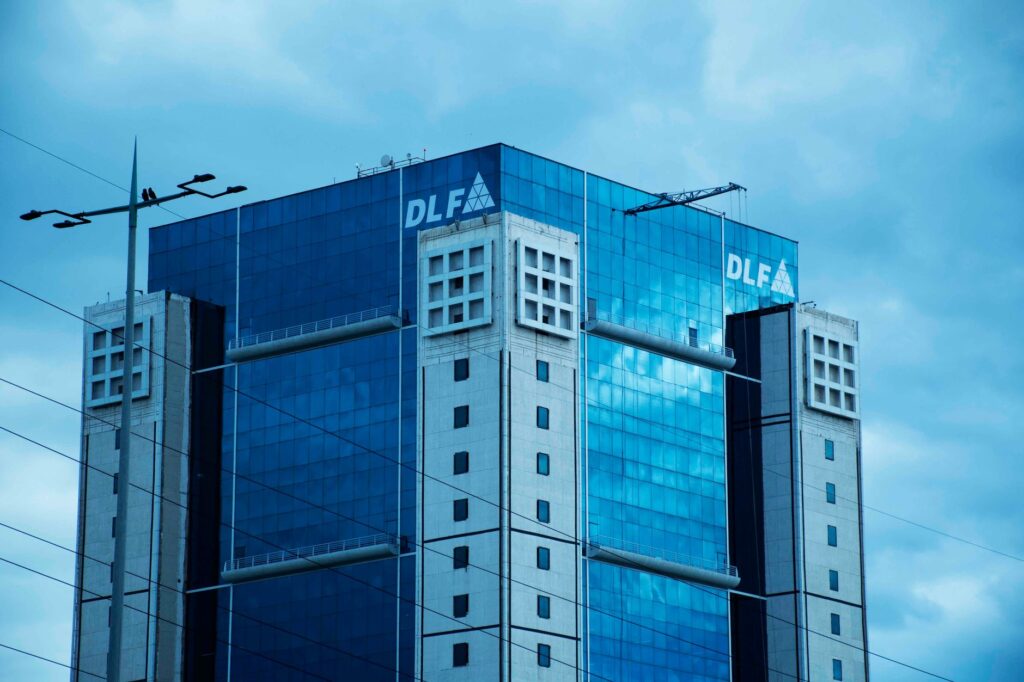
DLF Q2 results indicate a profit rise of 10% despite a shrinking EBITDA margin. Investors are keen to understand the implications of these numbers on future performance.
Overview of DLF Q2 Results
The recently released DLF Q2 results indicate a notable 10% increase in profit compared to the previous year. This growth reflects the company’s ongoing efforts to strengthen its market position amidst challenging economic conditions. However, the results also reveal a concerning trend, as the EBITDA margin has contracted to just 2%. This decline raises questions about the sustainability of profit growth in the future.
Key highlights from the DLF Q2 results include:
- Profit Growth: A 10% rise in net profit year-over-year.
- EBITDA Margin: A decrease to 2%, indicating potential pressures on operational efficiency.
- Market Outlook: Analysts are divided on whether the profit rise is sufficient to offset margin concerns.
The overall performance suggests that while DLF is managing to increase profits, the shrinking margin could pose challenges ahead.
Profit Growth Analysis
The analysis of DLF Q2 results reveals a notable profit growth, with a reported increase of 10% compared to the previous quarter. This rise comes despite a concerning trend in the company’s EBITDA margin, which has experienced a significant decline.
Several factors contribute to this juxtaposition of profit growth and margin shrinkage:
- Increased operational costs: Rising costs in materials and labor have pressured profit margins.
- Intense competition: A competitive market has led to price pressures, impacting DLF’s pricing strategy.
- Investment in growth: DLF’s strategic investments have focused on long-term gains, potentially sacrificing short-term margins.
As the company navigates these challenges, stakeholders will be keenly observing if the profit rise reflected in the DLF Q2 results can be sustained amid shrinking margins.
Impact of Shrinking EBITDA Margin
The recently published DLF Q2 results highlight a significant concern: the shrinking EBITDA margin. Despite a commendable 10% rise in profit, the decline in margin raises questions about long-term sustainability.
In the latest quarter, the EBITDA margin fell to 2%, a notable decrease from the previous year. This contraction suggests that while DLF is increasing revenue, the costs associated with maintaining operations are rising at a faster rate.
Investors and analysts are closely monitoring this trend, as a smaller margin could impact the company’s ability to invest in future growth and maintain its competitive edge. The following factors contribute to this situation:
- Increased operational costs
- Rising input prices
- Competitive pressure in the real estate market
Ultimately, the question remains: is the profit rise worth the implications of a shrinking margin?
Market Reaction to DLF Results
Following the release of DLF Q2 results, the market reacted with a mix of optimism and caution. Investors noted the 10% increase in profits, which is a positive indicator for the company’s financial health. However, the shrinking EBITDA margin raised concerns among analysts, leading to varied responses in stock prices.
- Some investors welcomed the profit rise as a sign of resilience.
- Others expressed skepticism due to the declining margins, questioning the sustainability of growth.
- Market experts are closely monitoring DLF’s strategic moves to address margin pressures.
Overall, while the profit growth in DLF Q2 results is a notable achievement, the shrinking margins introduce uncertainty, prompting a balanced view among stakeholders.
Future Outlook for DLF
As DLF navigates the complexities of the current market, the future outlook remains a point of interest for investors and analysts alike. Despite the recent profit rise of 10% in the DLF Q2 results, the shrinking EBITDA margin raises questions about sustainability and growth potential.
Industry experts suggest that DLF must focus on several key areas to maintain profitability and enhance margins:
- Cost Management: Streamlining operations to reduce overhead costs can help improve margins.
- Project Diversification: Expanding into new segments may mitigate risks associated with market fluctuations.
- Customer Engagement: Strengthening relationships with clients could drive sales and increase market share.
Ultimately, the strategic decisions made in the coming quarters will determine whether the profit rise reflected in the DLF Q2 results can translate into sustained long-term growth.
Comparative Analysis with Competitors
In examining the DLF Q2 results, a comparative analysis with key competitors reveals contrasting trends in profitability and margin performance. While DLF reported a 10% profit increase, companies like Godrej Properties and Oberoi Realty have demonstrated stronger margin resilience despite fluctuating revenues.
Key highlights include:
- Godrej Properties: Managed to maintain an EBITDA margin of 25%, showcasing effective cost control.
- Oberoi Realty: Reported a profit growth of 15%, benefiting from premium project launches.
- DLF: Faces challenges with its EBITDA margin shrinking to 2%, raising concerns over long-term sustainability.
This comparative landscape indicates that while DLF’s profit growth is commendable, the declining margins may signal underlying operational inefficiencies that warrant closer scrutiny.
Photo by anurag upadhyay on Pexels