Stock Market Trends: Worst Day for Investors with Real Insights
Stock market trends show a significant decline as indexes close lower for the sixth time in seven sessions.
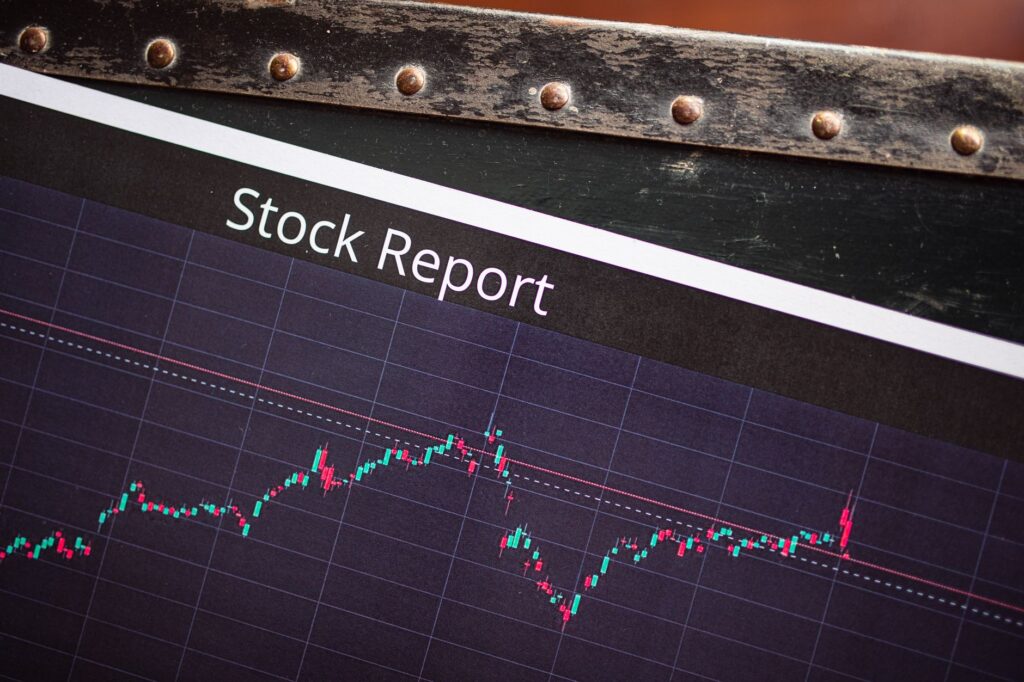
Stock market trends are concerning as indexes closed lower for the sixth time in seven sessions, driven by rising treasury yields and oil prices.
Understanding Recent Stock Market Trends
In recent weeks, the stock market trends have shown significant volatility, impacting investors across various sectors. The market has experienced a downward trajectory, closing lower for six out of the last seven sessions. This pattern raises concerns among market watchers, particularly as the 10-year Treasury yield reached its highest level since 2007, indicating a shift in investor sentiment.
Several factors contribute to these troubling stock market trends:
- Rising Interest Rates: The increase in Treasury yields often leads to higher borrowing costs, which can dampen corporate profits and consumer spending.
- Oil Price Surges: Recent jumps in oil prices have the potential to exacerbate inflationary pressures, contributing to market uncertainty.
- Economic Indicators: Mixed economic data has left investors cautious, making them wary of potential downturns.
As investors navigate these challenges, understanding the underlying causes of current stock market trends is crucial for making informed decisions in this turbulent environment.
Impact of 10-Year Treasury Yield on Markets
The recent surge in the 10-year Treasury yield has significant implications for stock market trends, causing concerns among investors. As the yield reached its highest level since 2007, market reactions were swift and pronounced. Many analysts are noting that higher yields can lead to increased borrowing costs, which may dampen corporate profits and consumer spending.
On a day marked by widespread declines, investors reacted to the following factors:
- Rising Interest Rates: The climb in the 10-year yield suggests that the Federal Reserve may continue its tightening policy, leading to uncertainties in equity markets.
- Investor Sentiment: As yields rise, investors often shift their focus from stocks to bonds, which can drive stock prices lower.
- Energy Prices: With oil prices jumping, inflation fears are reignited, further complicating the relationship between yields and stock market trends.
In summary, the implications of the 10-year Treasury yield cannot be understated, as they continue to shape the landscape of the stock market, leaving investors on edge.
Why Oil Prices are on the Rise
The recent surge in oil prices has caught the attention of investors, further complicating the already volatile stock market trends. Several factors contribute to this rise, impacting the broader economic landscape.
One significant driver is the ongoing geopolitical tensions in key oil-producing regions. These uncertainties have led to speculation about supply disruptions, causing prices to climb as traders react to potential shortages.
Additionally, the global recovery from the pandemic has increased demand for energy. As economies reopen, the surge in consumption has outpaced supply, putting upward pressure on oil prices.
Another factor to consider is the decision by major oil-producing countries to maintain production cuts. This strategy, aimed at stabilizing prices, has inadvertently contributed to the rise, as demand continues to grow.
Market analysts warn that rising oil prices could have a ripple effect on the stock market trends, as higher energy costs may lead to increased inflation and affect corporate profits. Investors must stay vigilant in this changing landscape.
Investor Reactions to Market Declines
As the stock market trends continue to show volatility, investors have expressed their concerns over the recent declines. Many are feeling the pressure as indexes closed lower for the sixth time in seven sessions, a situation that has left some scrambling to reassess their portfolios.
Investor sentiment has been notably negative, with several key reactions emerging:
- Increased Caution: Many investors are adopting a more cautious approach, opting to hold off on new investments until there’s more clarity in the market.
- Shift to Safe Havens: A notable shift towards safer assets, such as bonds and gold, has been observed as investors seek refuge from the unpredictable stock market.
- Long-Term Perspectives: Some investors remain optimistic, viewing the current downturn as a temporary setback and an opportunity to buy undervalued stocks.
As the 10-year Treasury yield reaches its highest level since 2007, sentiments are mixed, with some expressing hope for a recovery while others brace for further declines in the stock market trends.
Economic Indicators to Watch
As investors navigate the turbulent waters of stock market trends, several key economic indicators are crucial to monitor. These indicators can provide valuable insights into market movements and help predict future performance.
- Gross Domestic Product (GDP): A strong GDP growth rate often signals a healthy economy, which can boost investor confidence and stock prices.
- Unemployment Rate: Lower unemployment rates typically indicate economic strength, while rising unemployment can lead to market declines.
- Consumer Confidence Index: This measure reflects how optimistic or pessimistic consumers are about the economy’s future, influencing spending and investment decisions.
- Inflation Rates: Higher inflation can erode purchasing power and impact corporate profits, which may lead to a downturn in stock prices.
- Interest Rates: Changes in interest rates can directly affect borrowing costs and, consequently, consumer spending and business investments.
Keeping an eye on these indicators can help investors make informed decisions amid the fluctuations seen in recent stock market trends.
Future Predictions for Stock Market
As investors brace for an uncertain future, analysts are closely monitoring stock market trends to provide insights into potential outcomes. The current economic landscape, driven by rising interest rates and fluctuating oil prices, is prompting many to reassess their strategies.
Experts predict that if the 10-year Treasury yield continues to rise, it could signal a further decline in equities, as borrowing costs increase and consumer spending may slow. Additionally, geopolitical tensions and supply chain issues could exacerbate market volatility.
Though some analysts remain optimistic, suggesting that sectors such as technology and renewable energy may rebound, caution is advised. Market volatility has become the new normal, leading many investors to adopt a more defensive posture.
In this context, it is crucial to keep an eye on economic indicators such as inflation rates and employment figures, which will play pivotal roles in shaping future stock market trends. As we move forward, staying informed and adaptable will be key for investors navigating these turbulent waters.
Strategies for Navigating Market Volatility
As investors face significant challenges amidst fluctuating stock market trends, adopting effective strategies to navigate market volatility has become essential. Here are some recommended approaches:
- Diversification: Spreading investments across various asset classes can reduce risk and provide a buffer against market downturns.
- Stay Informed: Regularly updating oneself on economic indicators and global events helps in making informed decisions, especially during uncertain times.
- Long-Term Perspective: Maintaining a long-term investment strategy can help investors ride out short-term volatility and avoid emotional decision-making.
- Set Realistic Goals: Establishing clear, achievable financial goals allows investors to focus on their strategies rather than daily market fluctuations.
- Consult Professionals: Seeking advice from financial advisors can provide personalized insights tailored to individual risk tolerance and investment objectives.
By implementing these strategies, investors can navigate the complexities of the stock market and better position themselves for future growth, despite the current challenges.
Photo by RDNE Stock project on Pexels