Nursing Specialist Careers: Professional Opportunities in Modern Healthcare
Explore why nursing specialists remain essential and learn about career opportunities in modern healthcare.
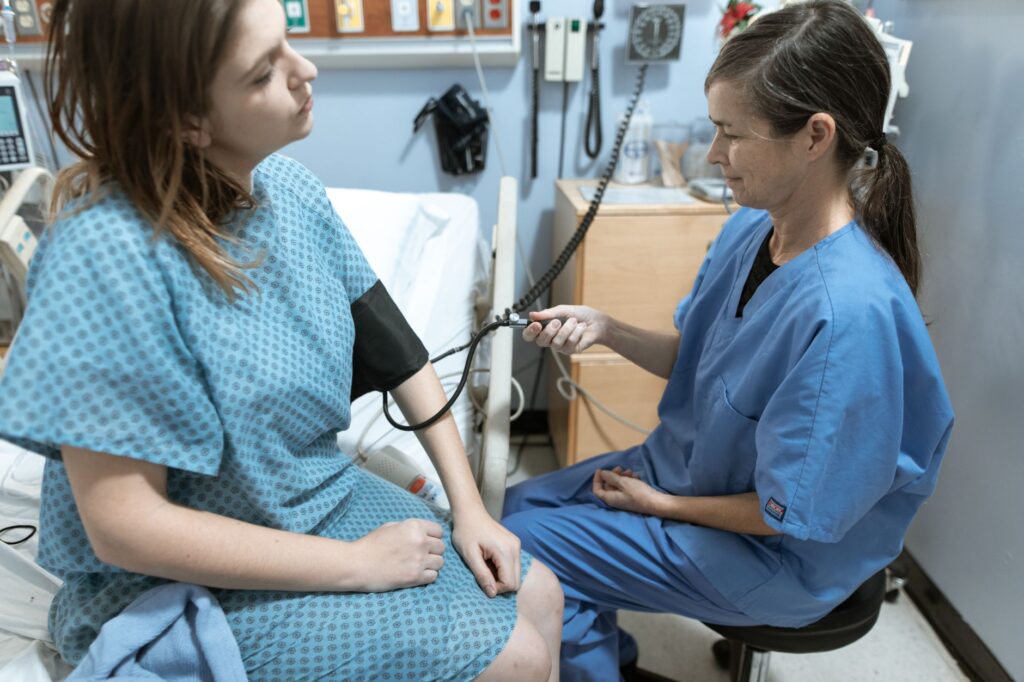
Healthcare systems depend on qualified professionals who can combine clinical knowledge, practical judgment, and compassionate patient care. For individuals exploring Nursing specialist jobs (pflegefachfrau jobs), the profession offers a structured career path across hospitals, clinics, rehabilitation settings, residential care, community services, and specialized healthcare environments. Employment trends consistently show that nursing remains an essential part of healthcare delivery because nurses support patients throughout diagnosis, treatment, recovery, and long-term care.
Jump To
- Why Nursing Specialists Remain Essential
- Areas of Professional Development
- Skills Employers Commonly Value
- Understanding the Employment Landscape
- Preparing for a Nursing Career
- Building a Sustainable Future
Why Nursing Specialists Remain Essential
Nursing specialists contribute to healthcare in ways that extend far beyond routine patient assistance. They monitor health conditions, administer prescribed treatments, maintain clinical records, communicate with physicians, and educate patients and families. Their ability to recognize changes in a patient’s condition can support timely medical intervention and improve continuity of care.
Professional nursing also requires strong organizational skills. A typical working environment may involve several patients with different needs, making prioritization an important part of daily practice. Nurses must remain attentive while managing documentation, communication, medication schedules, and cooperation with other healthcare professionals.
Areas of Professional Development
The nursing profession provides opportunities to develop expertise in different clinical fields. Depending on qualifications and professional interests, nurses may work in elderly care, surgical departments, emergency services, rehabilitation, mental health, intensive care, outpatient care, or community healthcare.
Specialization can help professionals build deeper knowledge in a particular area. It can also strengthen decision-making skills and create opportunities for positions involving greater responsibility. Continuous learning is therefore an important feature of a sustainable nursing career.
Healthcare organizations increasingly value professionals who keep their knowledge current. Training programs, continuing education, clinical workshops, and professional certifications can help nurses remain familiar with changing procedures, technologies, and standards of patient care.
Skills Employers Commonly Value
Professional nursing requires a balanced combination of technical and interpersonal abilities. Clinical competence is important, but effective communication and emotional awareness are equally valuable. Patients may experience uncertainty, discomfort, or anxiety, so nurses need to communicate clearly while maintaining a respectful and reassuring approach.
Teamwork is another important professional quality. Nurses regularly cooperate with doctors, therapists, caregivers, administrative teams, and relatives. Good collaboration can reduce misunderstandings and support a more coordinated patient experience.
Adaptability also matters because healthcare environments can change quickly. New technologies, updated treatment approaches, revised documentation systems, and changing patient needs require professionals who can learn and adjust without compromising care quality.
Understanding the Employment Landscape
Employment information can provide useful insights for people considering nursing as a long-term profession. Vacancy patterns, qualification requirements, specialization preferences, and workplace expectations can help applicants understand what healthcare employers are seeking.
A professional job search should therefore involve more than submitting applications. Candidates can compare responsibilities, required qualifications, working environments, professional development opportunities, and organizational expectations before deciding where to apply. This approach encourages more informed career decisions and can improve the alignment between professional goals and available positions.
Preparing for a Nursing Career
A strong application should clearly communicate education, clinical experience, specialist training, professional strengths, and relevant responsibilities. A well-structured résumé makes it easier for employers to understand a candidate’s background. Supporting documents should also be accurate, current, and professionally presented.
Interview preparation is equally important. Candidates should be prepared to discuss patient safety, teamwork, communication, professional ethics, and situations requiring careful clinical judgment. Demonstrating a thoughtful approach to these subjects can create a positive professional impression.
Building a Sustainable Future
Nursing offers a career environment where learning and responsibility develop continuously. Professionals can strengthen their expertise through practical experience, additional training, and exposure to different healthcare settings. The combination of clinical knowledge, communication, and adaptability can support long-term professional growth.
For qualified candidates, exploring suitable nursing vacancies is an important step toward finding a role that matches their experience and career direction. A focused approach to job searching helps professionals identify opportunities where their skills can contribute meaningfully to patient care while supporting continued development within the healthcare sector.
Key Points
- Nursing specialists play a crucial role in healthcare by monitoring health conditions, administering treatments, and educating patients and families.
- The nursing profession offers diverse career paths across various settings, including hospitals, clinics, and community services.
- Continuous professional development is essential for nurses, as it enables them to keep pace with evolving healthcare standards and technologies.
- Effective communication, teamwork, and adaptability are key skills valued by employers in the nursing field.
- Candidates seeking nursing positions should prepare strong applications that clearly outline their education, experience, and professional strengths.
- Understanding employment trends and workplace expectations can aid candidates in making informed career decisions within the nursing profession.