The Smart Senior’s Guide to Medicare Plan G Enrollment
Healthcare decisions become more consequential with age, and few choices carry as much weight as selecting the right Medicare supplement plan. Medicare…
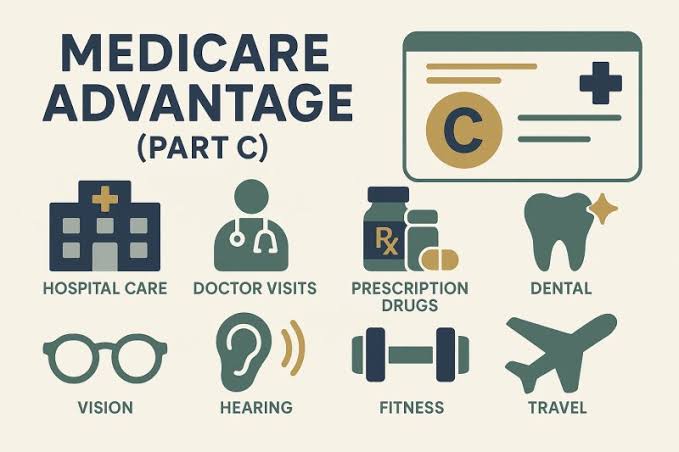
Healthcare decisions become more consequential with age, and few choices carry as much weight as selecting the right Medicare supplement plan. Medicare Plan G has emerged as a leading option for beneficiaries who want broad protection from out-of-pocket costs while maintaining access to a wide network of physicians and specialists. This guide walks through the critical questions seniors should ask before enrolling—and what the answers reveal about the value Plan G can provide.
What Exactly Does Medicare Plan G Pay For?
Medicare Plan G functions as a secondary payer. After Original Medicare processes a claim and applies its approved payment, Plan G steps in to cover many of the remaining costs. The covered expenses include:
Part A inpatient hospital coinsurance (including extended hospital stays)
Part A deductible
Part A hospice care cost-sharing
Skilled nursing facility coinsurance
Part B coinsurance and copayments
Part B excess charges (the difference between what a provider charges and Medicare’s approved amount)
Foreign travel emergency care (subject to plan limits)
The one gap remaining in Plan G is the annual Part B deductible, which beneficiaries pay directly before Plan G coverage activates.
What Are Part B Excess Charges and Why Do They Matter?
Not all physicians accept Medicare assignment, meaning some charge more than Medicare’s approved rate. That difference—known as a Part B excess charge—is the enrollee’s responsibility under Original Medicare alone. Plan G covers these excess charges, which is a meaningful benefit for beneficiaries who see non-participating providers or specialists.
How Does the Enrollment Process Work?
Enrollment in Medicare Plan G is separate from your Medicare enrollment. Once you are enrolled in Medicare Part A and Part B, you can apply for a Medigap plan directly through a private insurer licensed in your state.
The process typically involves:
Submitting an application to your chosen insurer
Providing proof of Medicare enrollment
Completing any required health questionnaires (if outside the Open Enrollment Period)
Receiving confirmation of coverage and your effective start date
Coverage generally begins on the first of the month following approval, though some carriers offer different start date options.
Can You Switch From Another Medigap Plan to Plan G?
Yes, switching is possible, but it comes with important considerations. Outside of protected enrollment periods, most states allow insurers to apply medical underwriting when you switch plans. If your health has changed since your original enrollment, you may face higher premiums or coverage restrictions. Some states have additional protections that limit this practice—reviewing your state’s rules is an essential first step.
What Should You Know About Premium Pricing Methods?
Medigap insurers use different methods to set premiums, and understanding them can significantly affect your long-term costs:
Community-rated: Everyone pays the same premium regardless of age.
Issue-age-rated: Premiums are based on your age at the time of enrollment and do not increase due to aging.
Attained-age-rated: Premiums start lower but increase as you age, potentially becoming the most expensive option over time.
Evaluating which pricing method a carrier uses is just as important as comparing initial premium levels.
How Does Plan G Handle Foreign Travel Coverage?
For beneficiaries who travel internationally, foreign travel emergency coverage is a standout feature of Plan G. Original Medicare provides virtually no coverage outside the United States. Plan G includes emergency care coverage when traveling abroad, typically subject to a lifetime limit and a per-incident deductible.
This benefit is particularly valuable for retirees who spend extended time outside the country or take international cruises and tours.
What Questions Should You Ask a Medicare Specialist?
Working with a licensed Medicare counselor or independent broker can simplify the decision-making process. Key questions to bring to that conversation include:
Which carriers in my state have the strongest financial ratings?
What pricing method does each carrier use?
Are there any household discounts or wellness benefits available?
How do I confirm my Open Enrollment Period dates?
What documentation will I need to complete my application?
Make an Informed Choice for Long-Term Peace of Mind
Medicare Plan G is a well-constructed option for those who prioritize coverage depth and financial predictability. Enrollment timing, carrier selection, and premium structure all play a role in the overall value you receive. Approaching the process with the right information—and the right guidance—puts you in the strongest possible position to protect your health and your financial well-being.